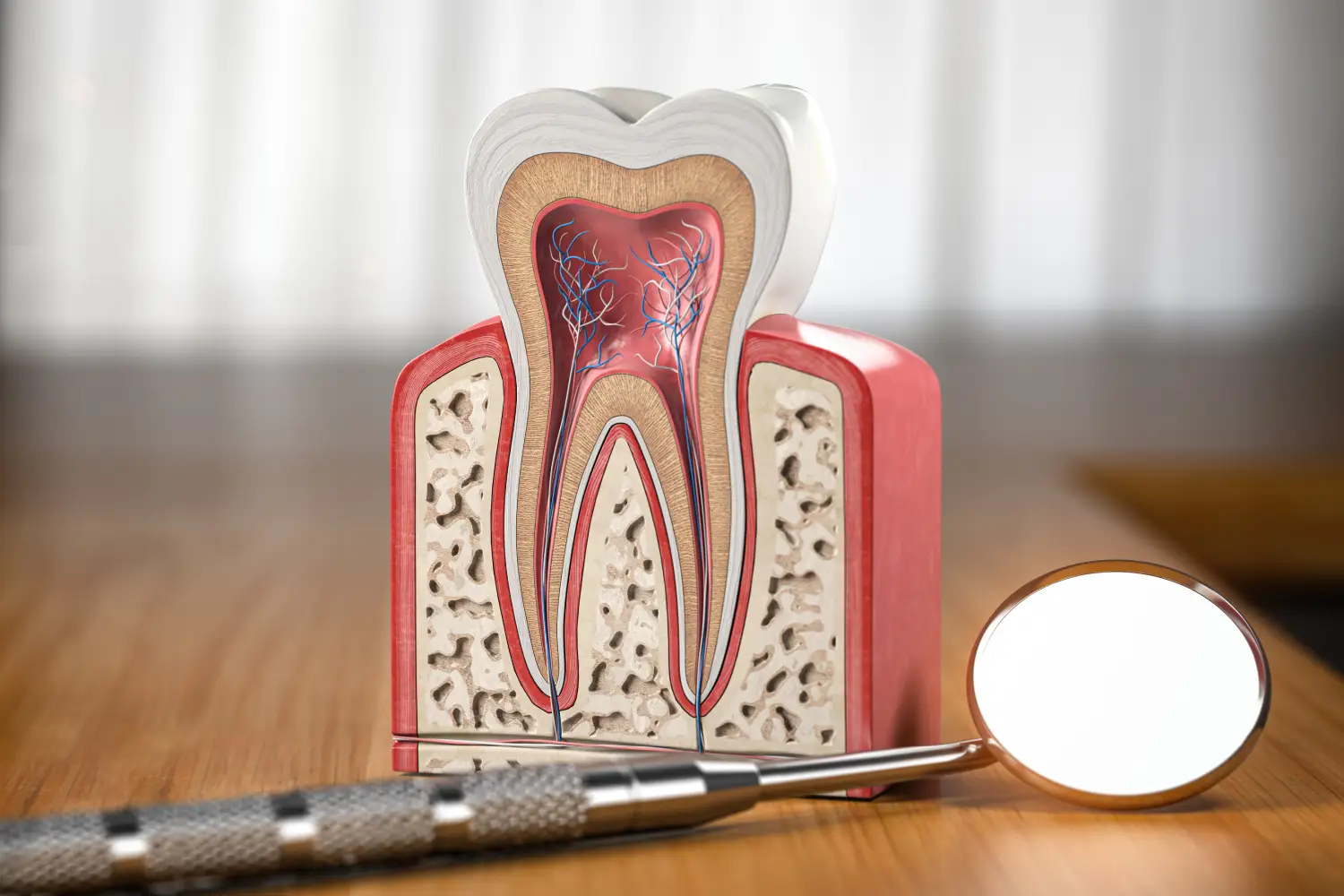
Step into a modern dental clinic today and you can almost feel the quiet presence of technology. Screens glow softly, sensors blink near dental chairs, and patient records move seamlessly from one corner of the room to another. Somewhere inside that flow of precision and data, artificial intelligence is already at work—reshaping diagnostics, treatment planning, and even dental courses in Delhi NCR, where future dentists are now trained to work alongside advanced digital tools.
At DJ College of Dental Sciences and Research, we often tell our students that AI is not something waiting to arrive; it has already taken a seat beside the dentist. The tools may look simple, but behind them, algorithms are learning, analysing, and supporting every decision made in the operatory.
How Is AI Already Helping Dentists Without Them Noticing It
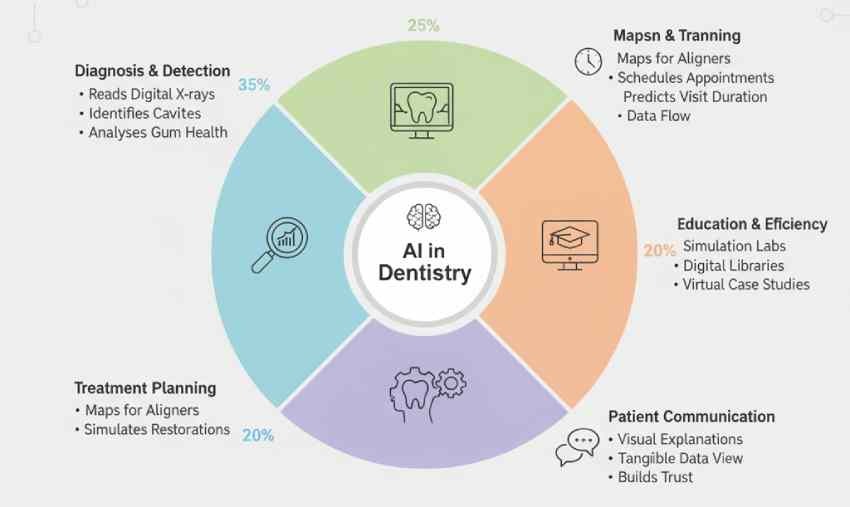
Most dentists are using AI every day without calling it that. The software that reads digital X-rays, the system that alerts you to possible cavities, or the scheduler that predicts how long an appointment will take — all of these are powered by machine learning.
During practical sessions in dental courses in Delhi NCR, students often pause when they realise that what they see as “just software” is actually analysing thousands of images to make those predictions. It’s subtle but powerful. AI has become the quiet assistant who never tires and rarely forgets.
Why Are Dental Colleges Introducing AI Early in Training
The new generation of students needs to be fluent in both science and technology. In leading dental courses in Delhi NCR, AI is being introduced not as a futuristic idea but as part of everyday clinical understanding.
When students first handle digital radiographs that highlight decay or bone loss automatically, they understand how fast diagnosis can become. But we also remind them that speed means nothing without empathy. Machines can mark the spot, but only a person can comfort a patient who is scared of the result.
What Does AI Actually Do Inside the Dental Clinic
AI works quietly in many corners of the dental workflow. It scans X-rays to detect caries, maps the contour of teeth for aligner design, and analyses gum health through photographic data. In restorative planning, it can even simulate what a crown will look like before it is milled.
In our clinical discussions during dental courses in Delhi NCR, students learn that the purpose of AI is not to take control but to offer insight. It helps dentists see patterns they might have missed after a long day of work. It saves time, yes, but more importantly, it improves accuracy and confidence.
Can Artificial Intelligence Replace Dentists
This question always brings a smile during classroom debates. The short answer is no. Dentistry requires touch, trust, and understanding — things no program can learn completely. AI can suggest a treatment plan, but it cannot sense hesitation in a patient’s voice or the comfort that comes from reassurance.
In every discussion across dental courses in Delhi NCR, the same idea returns: technology can assist, not replace. The human hand and heart remain central to every successful procedure.
How Are Patients Responding to AI in Dentistry
Interestingly, patients seem to trust visual data more than technical explanations. When an AI program marks areas of concern on a screen, the diagnosis feels more tangible. A few patients have even said they feel like they are part of the process rather than just observers.
Our students often mention how such tools make communication easier. A nervous patient calms down when they can see what the dentist is explaining. In this way, AI becomes not just a diagnostic partner but also a bridge between science and understanding.
Why AI Matters to the Future of Dental Education
Technology is reshaping how we teach and how students learn. Simulation labs powered by AI now allow learners to practice procedures virtually before touching real instruments. At DJ College of Dental Sciences and Research, we use this to help students build muscle memory and confidence.
Among the dental courses in Delhi NCR, this new learning method ensures that each student can review mistakes instantly and correct them. The goal is not to replace real experience but to strengthen it. It’s like having an extra mentor in the lab — one who patiently explains the “why” behind every movement.
What Should Future Dentists Understand About AI
The best professionals will be those who know how to combine digital knowledge with human intuition. The dental courses in Delhi NCR that prepare students to use AI wisely are shaping a generation that sees technology as a partner in compassion.
We encourage our students to keep asking questions. What can this software teach me? When should I rely on instinct instead? The curiosity to balance both is what will make them strong clinicians in the years ahead.
Looking Ahead: The Human Touch Still Leads
The future of dentistry will be intelligent, connected, and data-driven. Yet, the sound of laughter in a clinic, the reassuring tap on a patient’s shoulder, and the steady hand guiding an instrument will always belong to people.
At DJ Dental, we remind our students that technology might make procedures faster, but kindness still makes them better. AI may analyse a million images, but it takes a human to understand a single smile. That simple truth will keep dentistry human, no matter how smart our tools become—especially for those pursuing dental courses in Delhi NCR, where skill and sensitivity matter just as much as innovation.